
Health
Rural U.S. bears heaviest burden accessing dental care
Researchers find 24.7 million Americans live in dental deserts, with transportation and specialty care the steepest barriers
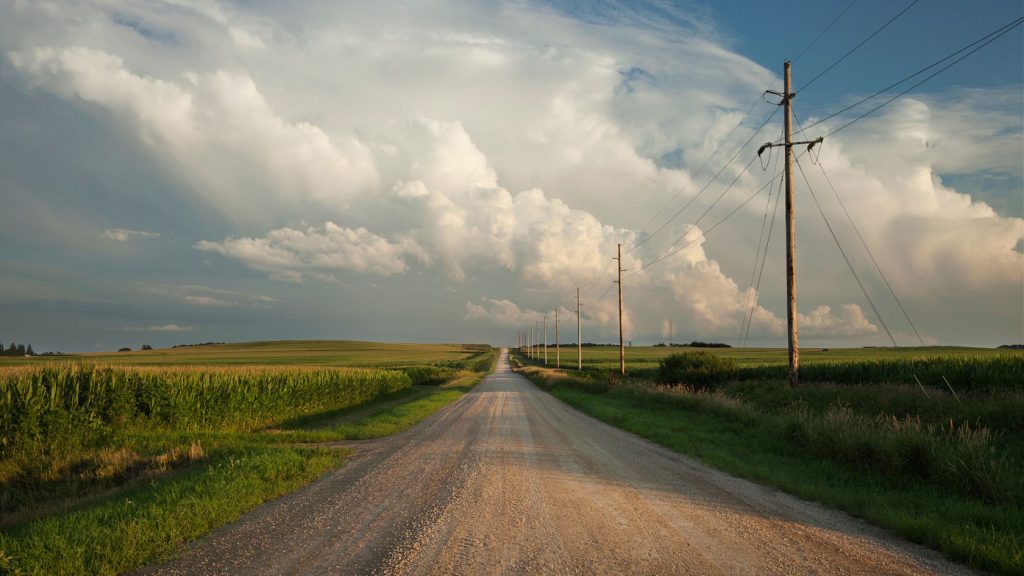
For millions of Americans living in rural communities, getting specialized dental care can mean driving an hour, or more, just to sit in the dental chair. A patient in rural Wyoming needing a root canal may travel over an hour to see an endodontist. A child in South Dakota who needs specialty pediatric dental care may face an 80-minute drive. For some families, that distance means delayed care. For others, it means no care at all.
New research from the Harvard School of Dental Medicine (HSDM) shows that millions of Americans face serious barriers to dental care and that those barriers are especially severe in rural communities. The findings, recently published in the Journal of Dental Research and SSM Population Health, reveal growing geographic divides in access to dental specialists and workforce trends shaping rural shortages.
“We found that rural residents must drive, on average, more than three times longer than urban residents for specialty dental care,” said Hawazin Elani, associate professor of oral health policy and epidemiology at HSDM. “Where you live can determine whether you receive timely treatment — or end up in the emergency room.”
Across multiple national studies, HSDM researchers found that 24.7 million people live in dental care shortage areas and that 49.3 million U.S. adults lack public transit access to a dental clinic. The studies also found that access to specialty care is even more uneven: more than 98 percent of dental specialists practice in urban areas, leaving many rural communities with limited or no nearby specialty services.
Rural residents face substantially longer travel times for care, especially for specialty dental services, for which average drive times were 3.2 times longer than those of urban residents. In several states — including Alaska, Montana, Nevada, North Dakota, South Dakota, and Wyoming — drive times to dental specialists often exceeded an hour.
“Where you live can determine whether you receive timely treatment — or end up in the emergency room.”
Hawazin Elani, associate professor HSDM
Spatial accessibility to specialty dental clinics across the U.S. from an analysis of six different specialties.
Credit: Journal of Dental Research
The struggle to find specialty care
The studies show that rural disadvantage begins with the general dental workforce and deepens when specialty care is needed. In rural areas, there was roughly one dentist for every 3,850 people, compared with one for every 1,470 people in urban areas.
The national specialty-care analysis examined geographic access to dental specialties: endodontics, oral and maxillofacial surgery, orthodontics, pediatric dentistry, periodontics, and prosthodontics. Among them, prosthodontics — critical for restoring missing teeth and helping patients eat and speak comfortably — emerged as the least accessible specialty. An estimated 85.5 million Americans live more than 30 minutes from a prosthodontist, and more than 10 percent face travel times exceeding an hour. These gaps are especially concerning for older adults in rural communities who depend on dentures or implants to maintain nutrition and quality of life.
While general dentists in rural areas often broaden their scope to meet community needs, certain procedures — such as complex surgical extractions, pediatric sedation, or full-mouth rehabilitation — require advanced training that general practice alone cannot fully replace.
Factors influencing where dentists practice
A study recently published in Scientific Reports also examined the broader dental workforce and what factors shape where dentists choose to practice. Early career dentists were considerably likelier to work in rural and underserved communities, but that likelihood declined as careers progressed. Specialists were substantially less likely than general dentists to practice in shortage areas, reinforcing geographic imbalances in advanced care.
Economics also appeared to play an important role. The studies found that moderate educational debt — approximately $200,000 to $600,000 — was associated with a greater likelihood of practicing in underserved settings, particularly Federally Qualified Health Centers. In dental shortage areas and rural shortage areas, higher debt was also generally associated with a modest increase in the likelihood of practice. But very high debt levels, above $800,000, were associated with a lower likelihood of practicing in some underserved settings, suggesting that financial pressures may shape where dentists choose to build their careers.
“These patterns point to a structural workforce challenge,” Elani said. “Rural communities often depend on younger dentists, yet retention becomes difficult over time.”
The findings carry important implications for workforce policy, according to Marko Vujicic, chief economist and vice president of the Health Policy Institute at the American Dental Association and a co-author of the workforce study.
“This type of research is vital for unpacking the true underlying factors associated with dentist location choices. Policy interventions need to incorporate this kind of evidence, because at the end of the day, we have not made much progress at all as a nation in addressing rural area shortages of dental care providers,” said Vujicic. “This is despite significant expansions in dental school enrolment overall, including building more dental schools.”
According to HSDM researchers, rural dental access is not only about whether patients can see a provider, but whether they can obtain the level of care their conditions require within a reasonable distance.
“As national conversations continue around rural workforce shortages and provider distribution, the research points to the need for strategies that expand specialty pipelines, support rural training programs, address debt burden, and improve long-term workforce stability in underserved communities,” said Elani.
